Rooftop solar installations for commercial and institutional buildings
Solar Energy
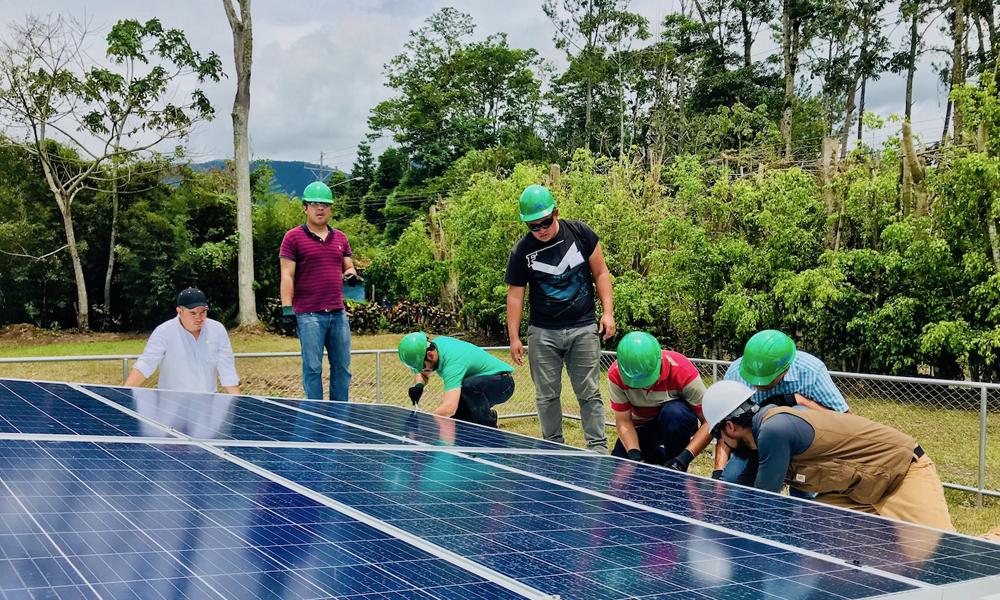
Solar Energy Solutions & Installation in Noida
Smart Solar Infrastructure for Sustainable, Cost-Efficient Power
Mahabir Desizn provides end-to-end solar energy solutions in Noida and Greater Noida, delivering reliable, high-performance solar infrastructure for commercial buildings, office parks, retail centers, industrial facilities, and institutional campuses.
We specialize in rooftop solar systems, ground-mounted solar plants, and integrated solar solutions, helping organizations reduce energy costs, meet sustainability goals, and achieve long-term operational savings.
Solar Energy Services by Mahabir Desizn
With 15+ years of experience in infrastructure and construction, Mahabir Desizn brings strong engineering expertise to the design and execution of commercial and institutional solar energy projects. Our solar solutions are planned with a focus on efficiency, safety, scalability, and return on investment.
We offer turnkey solar EPC services, managing everything from site assessment and system design to procurement, installation, grid connectivity, and commissioning. Every project is executed using certified components and compliant installation practices to ensure long-term performance and reliability.
Our Core Solar Energy Offerings
Mahabir Desizn delivers comprehensive solar energy solutions, including:
-
-
Ground-mounted solar power plants for large land parcels
-
Solar systems for warehouses, factories, and logistics parks
-
Grid-tied, off-grid, and hybrid solar solutions
-
Solar integration with existing electrical infrastructure
-
Net metering support and power optimization
-
Battery storage-ready solar systems
-
O&M planning and performance monitoring
Each solution is customized based on energy demand, site conditions, and future expansion needs.
Designed for Efficiency, Savings & Sustainability
Mahabir Desizn’s solar energy systems are designed to maximize long-term value through:
-
High-efficiency solar panels and inverters
-
Optimized system layouts for maximum power generation
-
Safe and compliant electrical integration
-
Reduced dependence on grid electricity
-
Lower operational energy costs
-
Support for ESG and sustainability goals
Our focus is not just installation—but long-term energy performance and financial returns.
Start Your Solar Energy Project with Mahabir Desizn
If you are planning a commercial or institutional solar energy project in Noida or Greater Noida, Mahabir Desizn is ready to help you transition to clean, cost-effective power.
Contact Mahabir Desizn
Phone: +91-8860 009 003
Email: info@mahabirdesizn.com
Office: MCHS Building, B-14, 4th Floor Sec-132 Noida, Uttar Pradesh 201304
Schedule a Meeting
What Service are you looking for?
How would you like to meet?
Where did you hear about us?
How do we contact you

Inquire Now